
Key Takeaways
- Most desert pest activity starts outdoors, near shade, moisture, landscaping, clutter, and exterior gaps.
- Door sweeps, weatherstripping, screens, and sealed utility openings can reduce the number of entry points into the home.
- Scorpions may follow insect prey and shelter around patios, block walls, storage areas, and foundations.
- Prevention works best when exclusion, yard maintenance, monitoring, and targeted treatment are used together.
- Families should have a calm plan for handling sightings and responding to stings.
Phoenix homes sit in an environment where pests seek the same basics people do: protection from heat, access to water, and dependable shelter. For homeowners comparing local support, pest control Phoenix from Green Mango Pest Control is a useful local reference. The company provides residential and commercial solutions for common Valley pests, including scorpions, roaches, ants, rodents, and spiders, and serves Greater Phoenix communities throughout the Valley.
A clean kitchen and tidy living room are helpful, but desert pest prevention cannot stop at the front door. A dripping irrigation line, dense shrub beside a stucco wall, cardboard stored in the garage, or worn door sweep can create an easier path for pests to approach and enter.
Why Desert Pests Move Toward Homes
Landscaped yards can function like small oases in the Sonoran Desert. Irrigation, shade trees, potted plants, patio furniture, decorative rock, and outdoor lighting can all support insects or provide places to hide. Ants, crickets, cockroaches, spiders, and other insects may draw predators, including scorpions, closer to the structure.
Scorpions are often more noticeable at night and may rest beneath rocks, boards, firewood, pots, stored materials, and outdoor furniture during the day. A home can look well-maintained while still attracting activity if a leaking hose bib or a heavily planted bed sits close to the foundation.
How To Inspect A Property
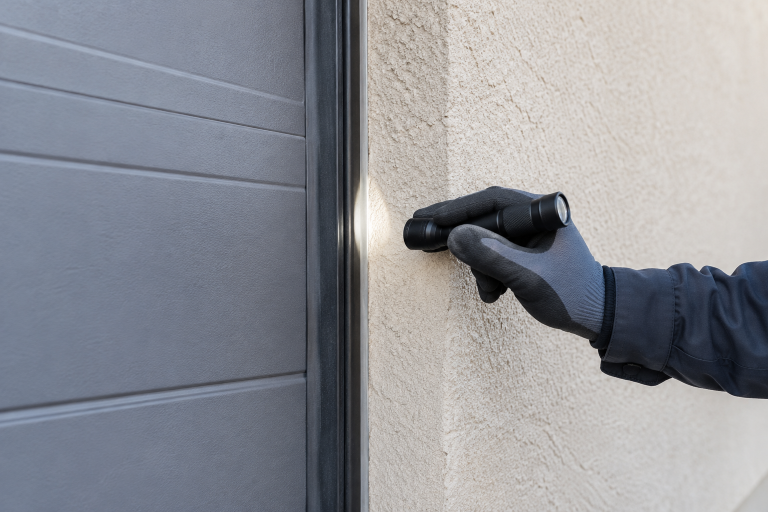
Start with a daylight walk-around before choosing a treatment. Move slowly around the foundation, block walls, gates, patio, garage, pool equipment, and utility connections. Look for moisture, loose materials, cracks, and places where vegetation touches the home.
- Check exterior walls for gaps around pipes, cables, vents, and electrical conduits.
- Inspect door sweeps, weather-stripping, window screens, and sliding-door seals.
- Look under stored items, behind planters, and around firewood or stacked materials.
- Repeat the inspection after landscaping work, irrigation repairs, heavy watering, or seasonal storms.
Where Pests Commonly Get Inside
Small openings matter. Scorpions and insects may enter through exterior doors, damaged screens, plumbing penetrations, or poorly sealed garage edges. Items brought inside can also carry hitchhikers.
- Gaps beneath exterior, patio, and garage doors.
- Cracks around windows, vents, pipes, and utility lines.
- Loose seals on sliding doors and torn window screens.
- Roofline gaps near branches, openings, or worn materials.
- Shoes, towels, boxes, firewood, and outdoor gear brought indoors without inspection.
Sealing works best as an ongoing habit. Closing one visible gap may not be enough if another nearby opening, screen, or wall penetration remains unprotected.
Yard Changes That Reduce Pest Activity
Remove Hiding Places
Move lumber, firewood, loose rocks, unused pots, and stored materials away from exterior walls. Keep stored items raised when practical, reduce dense ground cover beside the home, and trim shrubs and tree branches so they do not rest against walls, roofs, or outdoor equipment.
Control Moisture
Repair leaking faucets, hose connections, irrigation lines, and pool equipment. Empty standing water from containers, check drainage after heavy rain, and avoid leaving wet mats, towels, or cushions outside overnight. Reducing unnecessary moisture can also reduce the insect activity that brings predators near.
Review Outdoor Lighting
Bright exterior lights can attract flying insects. Use lighting where it is needed for safety, consider directing fixtures away from doors when possible, and remember that lighting adjustments complement, rather than replace, sealing and yard care.
Scorpion Safety For Families And Pets
Wear shoes indoors and outdoors, especially at night. Shake out shoes, clothing, towels, bedding, and outdoor gear before using them. Use gloves and caution when moving rocks, boxes, boards, or stored materials. If sightings continue, a black-light inspection after dark may help locate scorpions because they fluoresce under ultraviolet light.
What To Do After A Sting
Move away from the scorpion, wash the area with soap and water, and contact Poison Control or a medical professional for guidance. Severe symptoms, including breathing difficulty, uncontrolled muscle movements, or unusual eye movements, require urgent medical attention. Young children, older adults, and medically vulnerable people should be evaluated promptly. The University of Arizona Health Sciences offers practical information on scorpion-sting symptoms and treatment for Arizona residents.
When Professional Help Makes Sense
Professional help may be appropriate when scorpions or other pests keep appearing after repairs and cleanup, when sightings occur in multiple rooms, or when the issue involves termites, rodents, bed bugs, bees, or wasps. A thorough visit should include pest identification, an exterior inspection, an entry-point review, and clear prevention recommendations.
Before service, ask what products may be used, how pets and children should be accommodated, whether there are re-entry instructions, and what follow-up steps are recommended. Recurring service can be worth considering when pest pressure returns with changing weather or seasonal activity.
A Simple Monthly Prevention Checklist
- Inspect door sweeps, window screens, and garage seals.
- Check pipes, vents, and utility openings for new gaps.
- Trim plants away from walls, roofs, and outdoor equipment.
- Remove cardboard, leaves, wood, and debris near the foundation.
- Inspect irrigation, hoses, faucets, and pool equipment for leaks.
- Shake out shoes and outdoor items before bringing them inside.
- Record pest sightings by date, location, and time of day.
Conclusion
Making a Phoenix home less inviting to scorpions and other desert pests is a routine, not a one-time project. Small repairs, cleaner exterior spaces, moisture control, and regular inspections can reduce the shelter and access pests look for around Arizona homes.